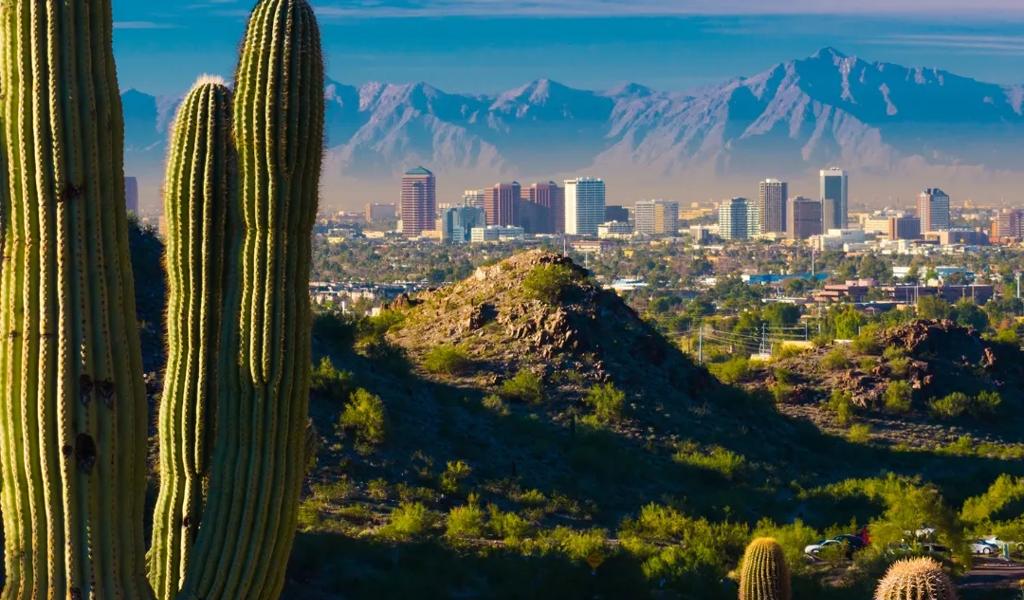
Phoenix is a vibrant oasis of arts, culture, and adventure in the heart of the Sonoran Desert. From breathtaking desert landscapes to a thriving local arts scene and unique landmarks, the city is full of exciting activities and unforgettable experiences for every kind of traveler.
At Red Roof, we know how important it is to make the most of your trip. That's why we've created a guide to the most fun things to do in Phoenix, highlighting the city's best attractions, all conveniently located near our budget-friendly hotels.
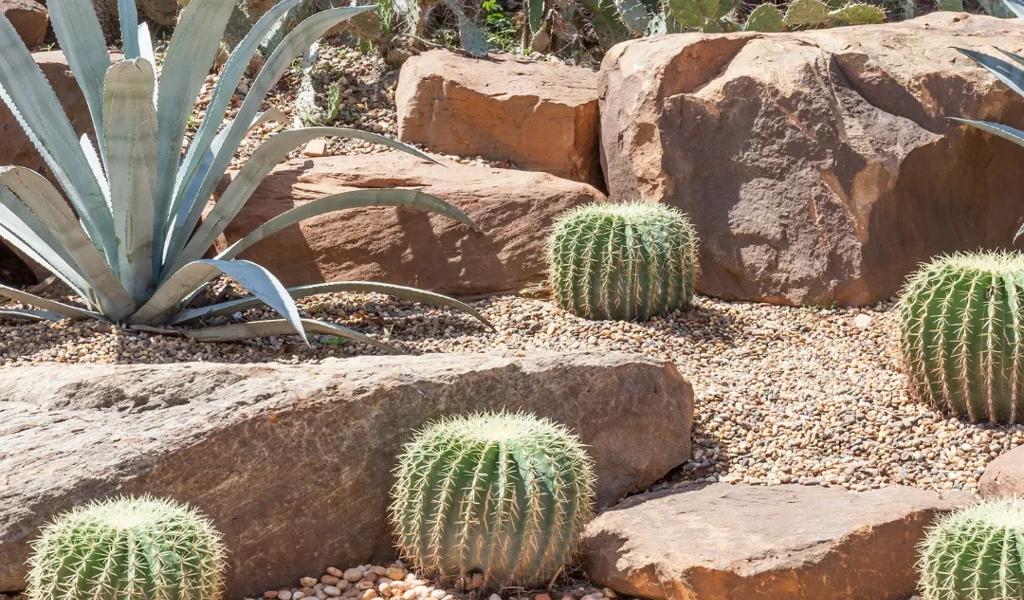
To see the Arizona desert at its best, start with the Desert Botanical Garden. Located in Papago Park, this 140-acre garden features over 50,000 plant displays showcased in outdoor exhibits, meticulously maintained by nearly 200 staff and 700 volunteers.
From towering cacti to blooming wildflowers, the Desert Botanical Garden features approximately 4,500 unique species that thrive in the Phoenix desert ecosystem. Of these thousands of species, about 544 are rare and endangered, offering a unique opportunity to learn about these plants under the care of attentive cultivators.
The Desert Botanical Garden regularly hosts rotating art exhibits and seasonal events, and its packed schedule features interactive exhibits, educational programs, and family-oriented events.
You'll cover a lot of ground as you tour through the expansive garden. Bring comfortable shoes and hot-weather gear, including sunscreen, hats, sunglasses, and water. Aside from service dogs, pets aren't allowed in the garden.
The Chandler Museum is a highlight for history buffs interested in the early days of Phoenix and Chandler's role in the development of Arizona. Reopened in 2018, this 10,000-square-foot museum features up to eight special exhibits each year that explore the region's culture, history, and art. It's free to visit and doesn't take long to explore, making it an essential stop for low-key travel days or busy itineraries.
Arizona Falls is a man-made waterfall nestled in the urban setting of Phoenix. This hydroelectric plant showcases a 20-foot curtain of flowing water along the pedestrian footbridge, representing the intersection between technology, artistry, and natural wonder.
Historically, the falls were a spot for locals to cool off, but they became less popular with indoor air conditioning. However, as of 2003, the site has once again become a prime spot. Visitors can check out the new solar-powered fans, fall-bordered boulder seating area, and even a dance floor.
It's also an increasingly popular spot for public art, with science and technology-inspired installations. Arizona Falls is just one of the projects along the Valley's canals and part of an 80-mile pathway network featuring lighting, landscaping, and commissioned public art.
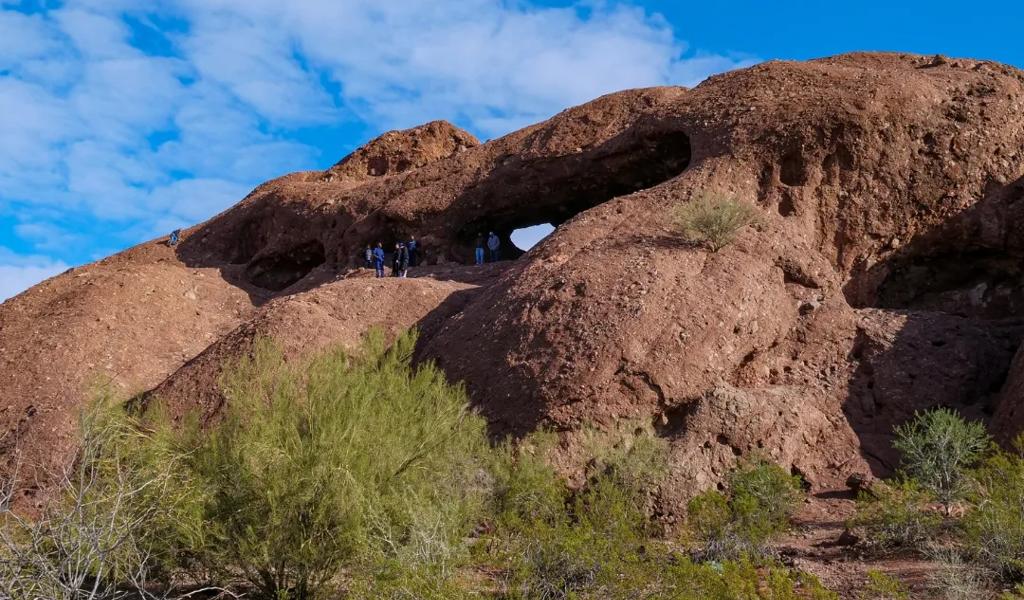
For an active adventure just a short drive from downtown Phoenix, the Hole-in-the-Rock trail provides a look at Papago Park's distinct geological features. This 0.3-mile trail leads to a striking sandstone formation with numerous eroded holes and a center chamber. Historians believe the prehistoric Hohokam civilization used the rock formation to track the sun's position, equinoxes, and solstices. After ascending the 200 steps to the formation, you'll be treated to expansive views of downtown Phoenix, lagoons, and the broader desert landscape.
If 0.3 miles isn't enough hiking, you can also access nearby trails in the park: Nature Trail, Ranger Office Loop Trail, Big Butte Loop Trail, Double Butte Loop Trail, Elliot Ramada Loop Trail, and Papago 5k Fitness Trail.
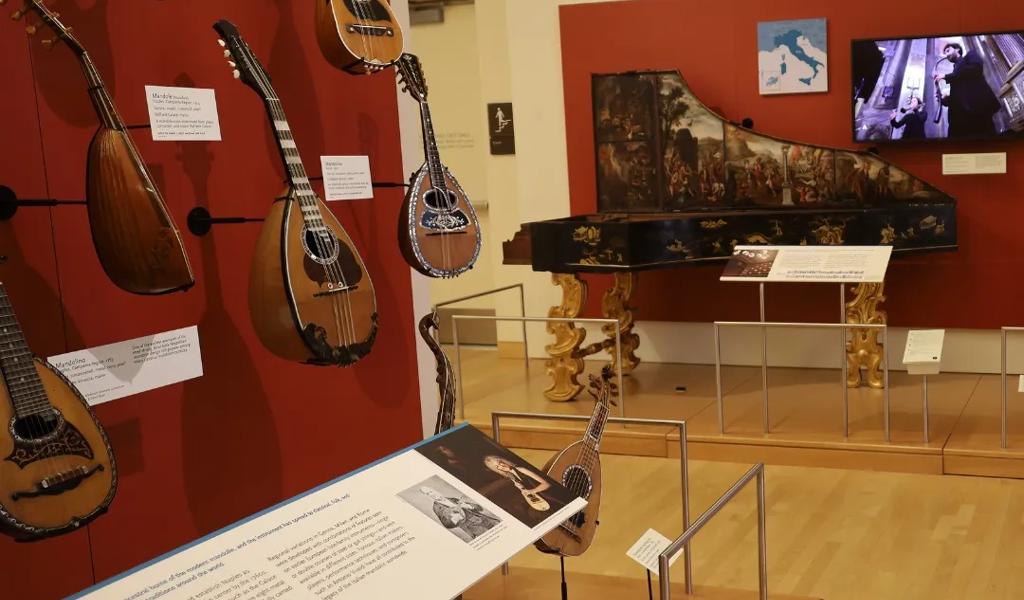
The Musical Instrument Museum (MIM) is an enriching experience for music and culture enthusiasts. The museum focuses on exhibiting musical diversity, featuring a collection of more than 7,500 instruments from over 200 countries and territories. By offering insights and hands-on experience into the kinds of instruments people play every day around the world, MIM's galleries reflect how music shapes and connects cultures.
MIM features numerous galleries and events to explore. The Experience Gallery is an interactive exhibit where guests can play some of the instruments displayed throughout the museum, such as a Peruvian harp or West African djembe.
Don't miss the Octobasse experience, one of the few replicas of the original 1849 French invention. Over 6.5 feet tall and featuring a system of levers and pedals to play the strings, this instrument has an almost imperceptibly low range. MIM also hosts regular concerts to showcase and celebrate global music.
No trip to Phoenix is complete without a visit to the award-winning Fry Bread House. Established in 1992 by Cecelia Miller, a Tohono O'odham woman, it was a gathering place for those displaced from their ancestral homes to enjoy Native American food. Now operated by Cecilia Miller's children, Fry Bread shares classic sweet or savory fry bread recipes, fry bread tacos, and an assortment of other culinary selections.
The Firefly Infinity Mirror Room explores psychedelic sensations as an ongoing exhibit in the Phoenix Museum of Art. Created by Yayoi Kusama, this immersive installation is specifically called You Who Are Getting Obliterated in the Dancing Swarm of Fireflies, and it's just one of several in Kusama's more extensive Infinity Mirror Room series and the only experience available in the American Southwest. This exhibition explores the concept of infinite repetition and eternity, spirituality, and sense of self.
Since its re-installation in 2023, the Firefly Infinity Mirror Room is now accompanied by an interpretive text that explores the Japanese tradition of Hotaru gari, where communities gather to watch firefly lights on early summer evenings.
The Heard Museum is one of the best places in Phoenix to learn about Native American art and culture. Since its founding in 1929, this nonprofit museum has grown to achieve international recognition for its collections, exhibitions, education programming, and special events. This hub of indigenous creativity features a collection of over 40,000 pieces that showcase indigenous art and cultural artifacts, giving visitors a unique perspective of the region's past and present. Its collections include baskets, beadwork, drawings and prints, fashion, Hopi katsina dolls, jewelry, digital media, pottery, sculptures, and textiles.
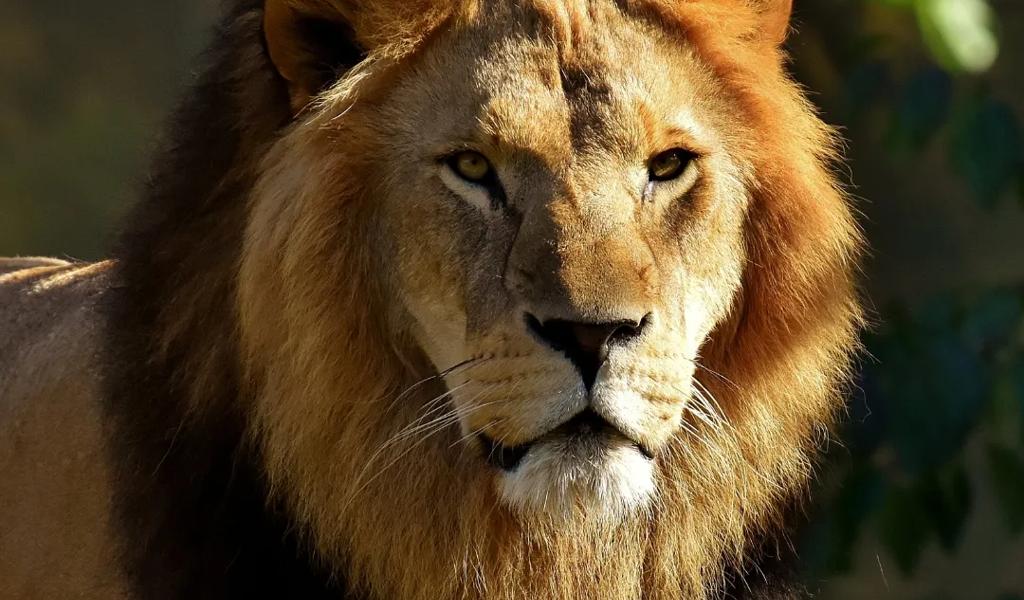
The Phoenix Zoo is the largest privately-owned nonprofit zoo in the country and a must-visit center for animal and natural conservation. Home to over 3,000 animals and 400 species, many of which are endangered or threatened species, the zoo focuses on wildlife and habitat conservation. The organization collaborates with universities, private land managers, and other conservation organizations to better understand and support local native species and others worldwide.
Visits to the Phoenix Zoo take you along about 2.5 miles of walking paths divided into the Arizona, Africa, Tropics, and Children's trails. You can see large predators such as cheetahs, leopards, giraffes, monkeys, rhinos, and elephants. The zoo also highlights Arizona's plant life and wildlife, including coyotes, mountain lions, Mexican wolves, and various reptiles and amphibians.
Don't miss the Children's Museum of Phoenix if you're visiting the city with young children. With three levels, over 48,000 square feet, and more than 300 play experiences, the space is designed for kids up to 10 years old to explore, imagine, and learn about everything from unique textures to art history. The environment is intended to support children's social, cognitive, physical, and emotional development through learning and play.
Built in 1931 by chewing gum magnate William Wrigley Jr., Wrigley Mansion is a majestic estate rich with history. After passing through several owners' hands and undergoing extensive restoration, it serves as one of Phoenix's most elegant dining experiences and event venues. It's located atop a hill in the Biltmore neighborhoods in the desert foothills and provides sweeping views of the city.
Few fine dining experiences compare to an unobstructed view of the desert city's sunset landscape while enjoying seasonal cuisine, tasting menus, and an award-winning wine selection.
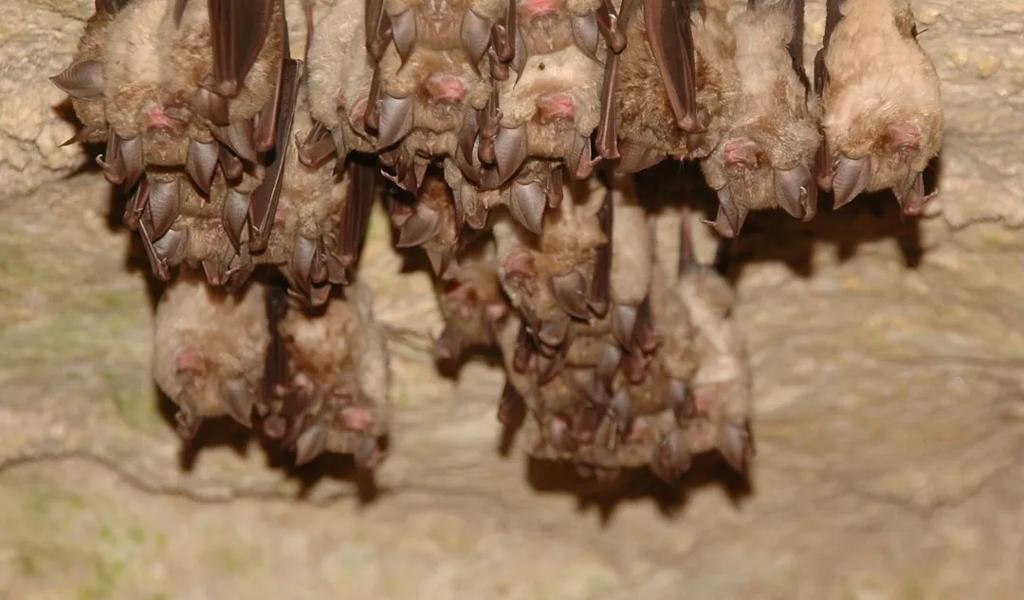
The Phoenix Bat Cave is home to a large colony of Mexican Free-Tailed bats. This unique wildlife viewing experience offers a fascinating glimpse into the bats' migration.
The Bat Cave is technically a storm drain; somewhere between 10,000 and 20,000 bats rest in the tunnel during the day. These numbers can double before they migrate. This bat species forms a maternal colony and often births baby bats on their route south. The bats emerge at dusk in droves to hunt insects along the canal, often zooming right past people. While you can't miss the cloud of bats itself, you might miss them as they fly past — these bats have among the fastest horizontal speeds.
Go back in time and visit MacAlpine's Soda Fountain, a nostalgic 1950s-style diner serving classic American fare, milkshakes, and sundaes. This spot was a hub for the youth of the 1950s and 1960s, who visited to share milkshakes and malts while listening to the jukebox.
MacAlpine's still retains much of its authentic historical characteristics, from the original malt machine to the gum stuck to the undersides of the tables. Servers often dress and play in character to emphasize the retro ambiance.
Curious Nature may not be a traditional tourist attraction, but it's still an essential visit and one of the coolest things to do in Phoenix. Located in downtown Phoenix, Curious Nature is, in their words, "A natural history and science emporium for all things fantastic and strange."
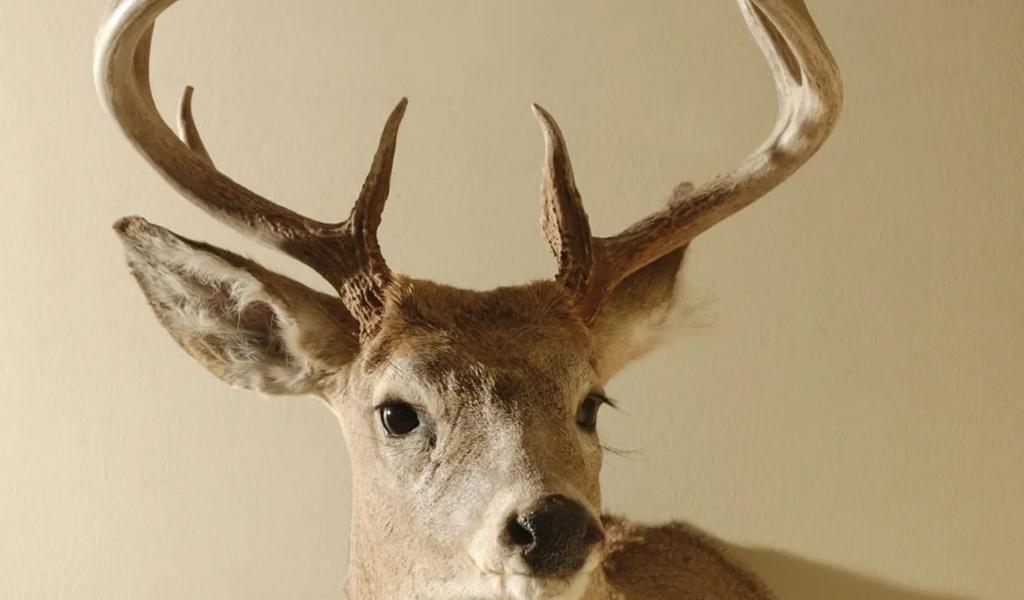
The emporium is stocked with items from the natural world, such as ethically sourced taxidermy animals, skulls, bones, exotic plants, and other collectibles. It's far from stuffy or creepy — instead, the store is a wonder of elegant oddities. The shop's owner and staff are enthusiasts of the natural world and welcome opportunities to educate their visitors.
As a commission for Phoenix in 2009, Janet Echelman designed the public art sculpture known as Her Secret is Patience in collaboration with a team of engineers, fabricators, lighting designers, architects, and planners. Standing 145 feet tall and suspended above the Civic Space Park, the sculpture marks the revitalization of Phoenix's downtown core and the rich art scene.
The sculpture depicts shadow drawings inspired by Phoenix's distinctive monsoon cloud formations and shifts in place with the wind. It features braided twine netting illuminated with colored lighting. As the seasons gradually shift, so do the sculpture's colors — cool tones in the summer and warmth in the winter — while leaving parts of the sculpture to darkness and mystery.
Roosevelt Row, also known as RoRo, is a buzzing hub in downtown Phoenix's arts district. It's ideal for visitors who love art and urban exploration. A popular site for both Phoenix residents and visitors, Roosevelt Row is home to a variety of art galleries, boutique shops, restaurants, and bars, as well as themed events and festivals.
Plan for plenty of time here — Roosevelt Row is entirely walkable, but it's easy to become distracted by and immersed in large-scale murals, street art, performers, and more. Don't miss the First Friday Art Walk, one of the country's largest self-guided art walks.
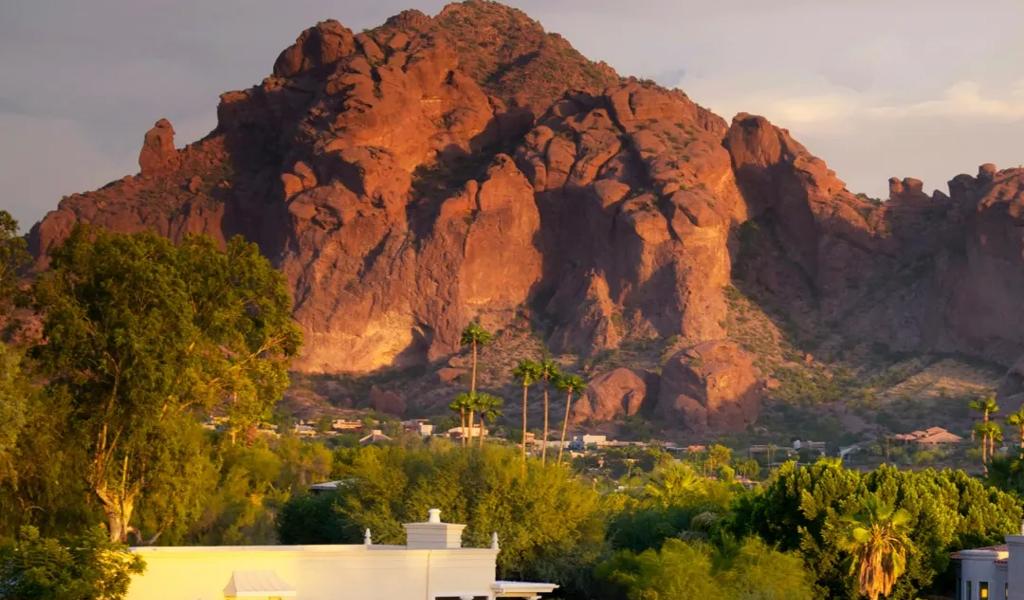
Camelback Mountain is a highlight of Phoenix for any hiking enthusiast visitor. Located in the middle of the Phoenix Valley, Camelback Mountain gets its name from its distinctive silhouette, which resembles the hump of a camel's back. With a 2,704-foot elevation at the summit, Camelback Mountain provides panoramic views of the encircling city.
Visitors earn the view — Echo Canyon and Cholla, the two main trails in the area, are strenuous and challenging. Expect steep ascents with handrails, exposed rock, and hand-over-hand climbing. Remember that these trails may not be accessible during peak temperatures, and dogs aren't allowed on the main trails. Visitors should practice proper trail etiquette and leave this natural area as they found it.
Traveling to Phoenix? Book a room at one of our affordable, pet-friendly hotels.